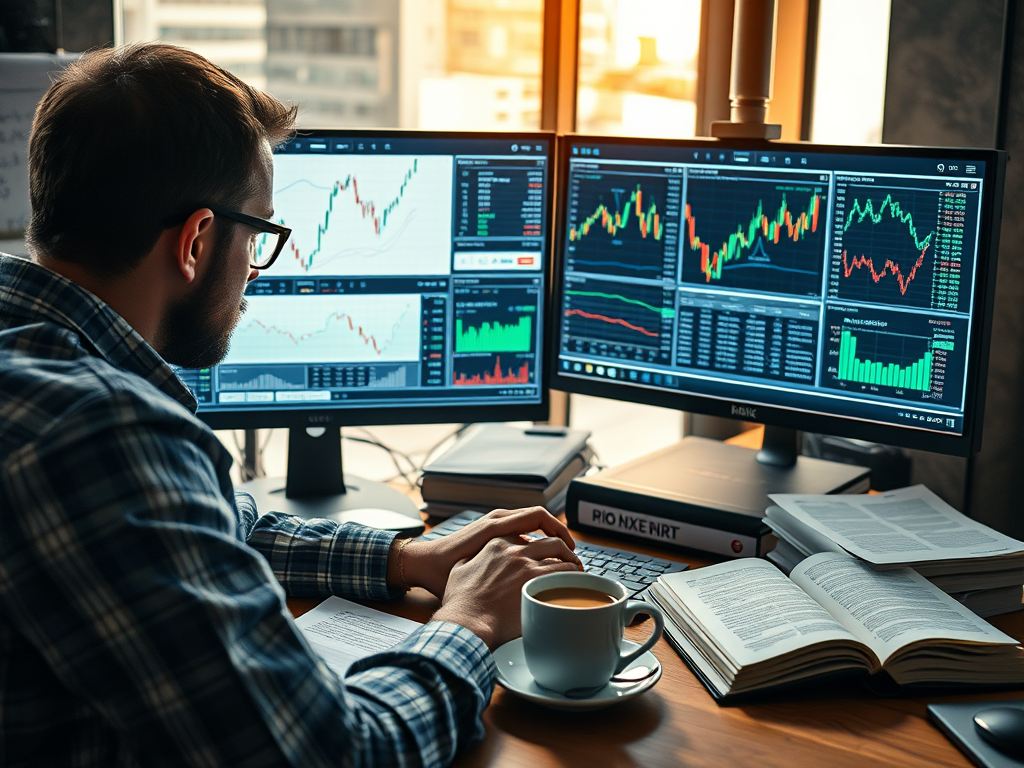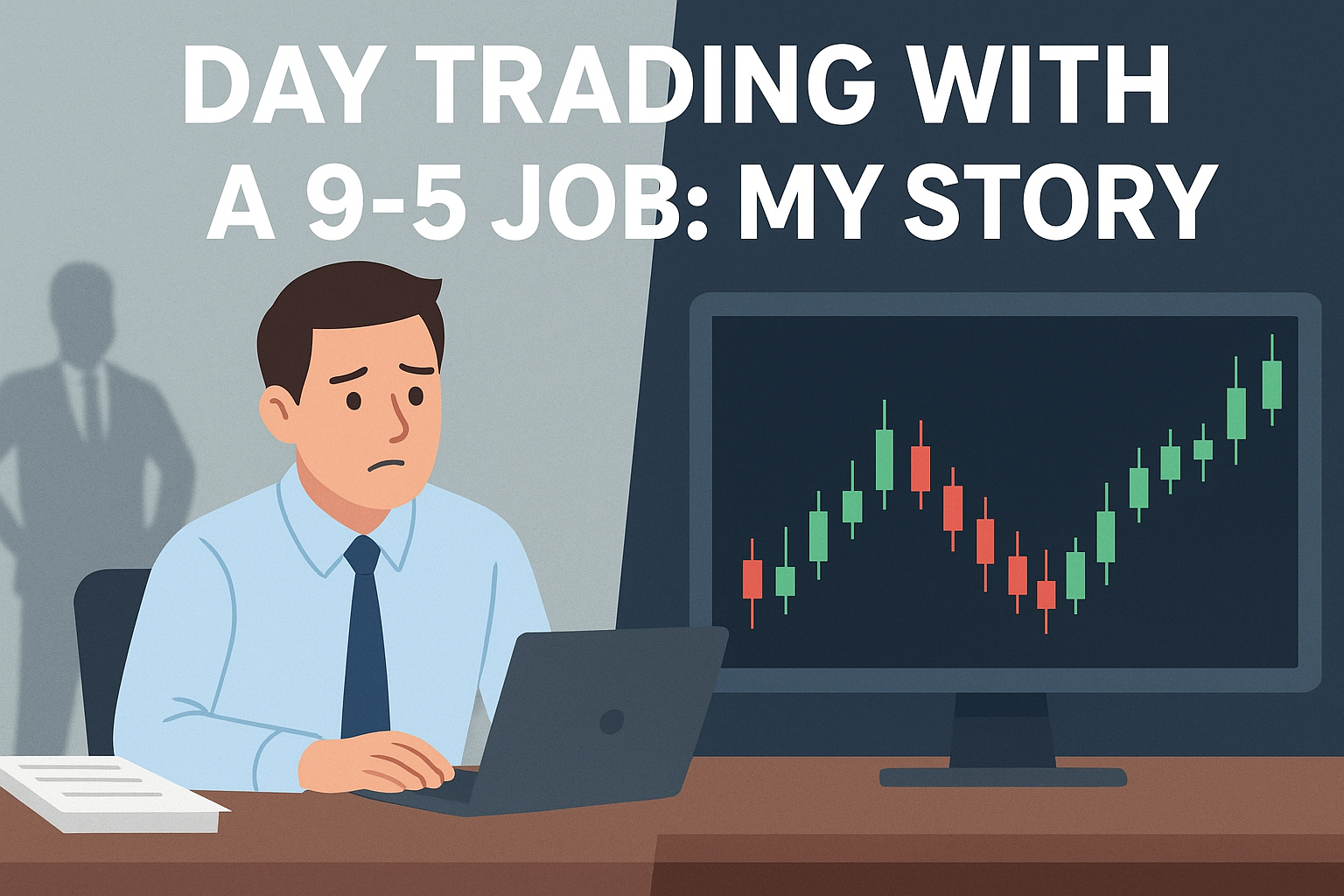
When I first dipped my toes into trading, I was working a full-time desk job. Like many beginners, I thought I could manage both worlds—my 9-to-5 and my dream of becoming a profitable trader. What followed was a messy, frustrating, yet eye-opening journey that taught me lessons no book or video could.
This is my story.
Swing Trading While Doing a 9-5
Back in 2021, I was juggling a desk job and the stock market. I started with positional trades and slowly tested intraday trading during office hours. Since I couldn’t monitor every tick, I relied on pivot points—placing limit orders at key levels and waiting.
Swing trades seemed perfect for a 9-to-5 trader. But frustration crept in. Positions moved against me, and I couldn’t monitor them properly. With day trading, it was even worse—markets move too fast, and in seconds, your gains can vanish.
Yet, that very speed fascinated me. It pulled me deeper into day trading, and eventually, I made the decision to quit my job to pursue trading full time. (That story is for another day.)
Why I Avoided Mobile Trading
Some people trade on their phones during lunch breaks or meetings. Not me.
- Reputation: I didn’t want to be the person always glued to a chart at work.
- Discipline: What if my boss called me into a meeting right when my trade needed attention? That’s a recipe for losses.
- Timing: The market doesn’t wait for lunch breaks. Your order could trigger at 10:17 AM, and you’d never know until it’s too late.
For me, trading half-heartedly wasn’t worth it. Either I was fully focused, or I wasn’t trading at all.
From YouTube Clutter to Structured Learning
At first, I thought YouTube could teach me trading. But the endless tips and “gurus” only made things noisier.
I realised I needed structure. That’s when I turned to books. Books may be slower, but they gave me context, examples, and step-by-step processes. They taught me to stop asking, “What’s the trade right now?” and start asking, “Where am I in the process?”
My Early “Unstructured” Routine
My trading routine back then was anything but professional.
- I wrote down RSI readings every hour, hoping to decode market behaviour.
- I asked for advice in Facebook groups.
- I watched analysts on TV.
- I had no targets, no stop-losses, and made decisions on the fly.
Some days I cut winners too soon, other days I held losers too long. Looking back, I was learning—but mostly learning what not to do.
Today, I trade with predefined stops and targets. No noise, no guesswork.
Why Automation Wasn’t Even on the Table
People sometimes talk about bots and automation as if they’re shortcuts for busy traders. Let’s be honest: if you’re doing a 9-to-5 and casually intraday trading, you’re not ready for automation.
Automation requires experience, system design, and technical skill. Without a proven trading edge, automating is like building a race car when you don’t even know how to drive.
For most 9-to-5 traders, the real options are swing trading or slow learning on the side. Automation is a future step, not a starting point.
The Hidden Cost of Chasing Time Zones
Some suggest trading in another country’s market to avoid work-hour conflicts. I never tried it, and here’s why: the costs are brutal.
Day trading already eats away profits with brokerage, taxes, and charges. Add foreign exchange fees and international brokerage, and suddenly, small profits disappear. I had months where my trades looked profitable—until costs turned them into net losses.
For me, it was smarter to stick with local markets, master their rhythm, and cut down unnecessary expenses.
The Choice Is Yours
Trading while working a 9-to-5 is a balancing act. I’ve lived the frustration of unmonitored positions, the temptation of mobile trading, the noise of online groups, and the sting of brokerage costs.
Here’s what I know: you can’t do this “half-heartedly.” Either treat trading as a serious business, or keep it casual. Both choices are valid—it just depends on what you want.
For me, that meant eventually leaving the 9-to-5 behind. For you, the choice may look very different. The responsibility rests with you.
🚀 My Trading Journey (and Lessons Learned)
Over the last few years, I’ve gone through multiple phases of trading—
from gut-based decisions 👉 to building a mechanical system,
from struggling with discipline 👉 to understanding why trading feels so hard,
and finally learning the basics of tools like TradingView to structure my process.
If you’re a beginner or someone stuck in the same cycle, my blogs might help:
📌 My Trading Journey – From Gut Feelings to a Mechanical System
📌 What Makes Trading So Hard – My 4-Year Journey
📌 TradingView Basics – Candlesticks, Timeframes & Multi-Chart Layouts
I share these not as “tips” but as my real experiences—the good, the bad, and the honest struggles that shaped me as a trader.
👉 Check them out and let me know which part you resonate with most.